How to support your child if they are being cyberbullied
Peer reviewed by Dr Sarah JarvisLast updated by Emily Jane BashforthLast updated 24 Mar 2022
Meets Patient’s editorial guidelines
- DownloadDownload
- Share
- Language
- Discussion
- Audio Version
- Add to preferred sources on Google
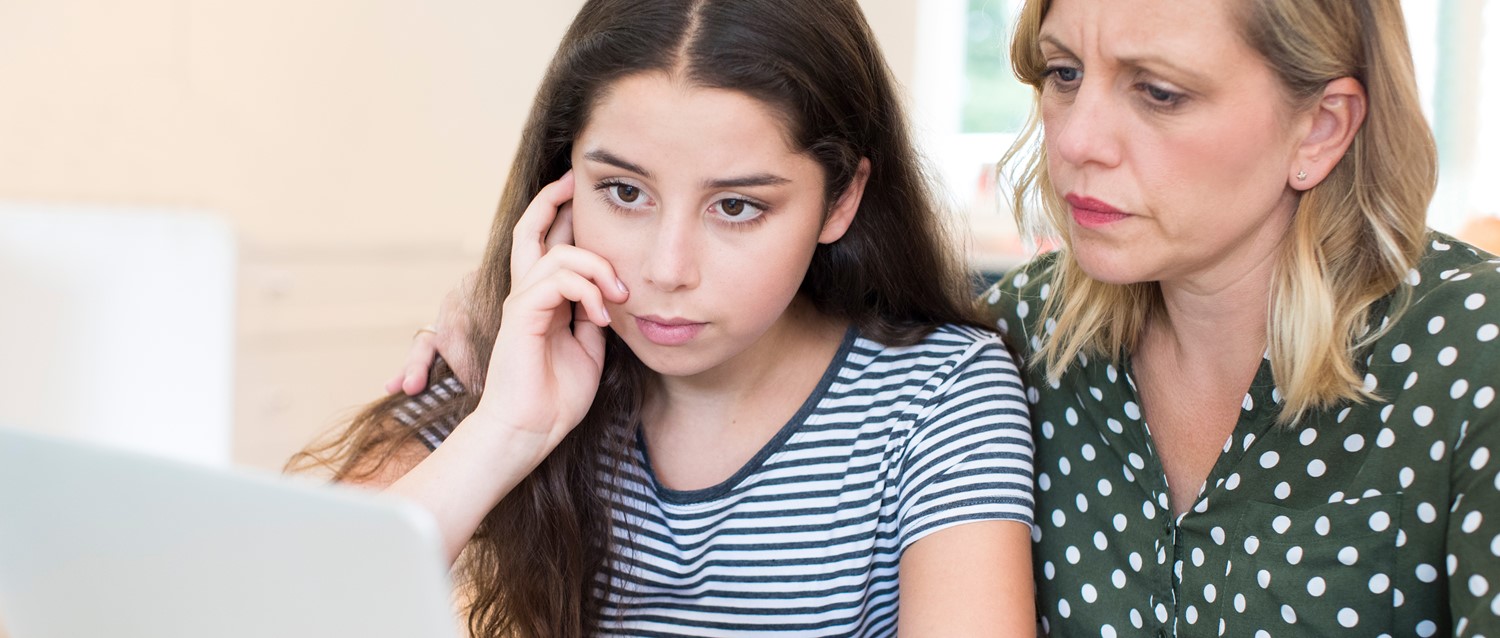
If you suspect your child is being cyberbullied, it can be difficult to know how to approach the situation. You want them to know you are there to support them, but also don't want them to think you are intruding. However, with online bullying becoming an increasingly concerning issue with the growth of social media platforms, it's important to know how to be there for your child, and how to help prevent cyberbullying.
How to talk to your child about cyberbullying
It's understandable why you might struggle to talk to your child about possible cyberbullying. You will have concerns for their well-being, but don't want them to feel that they have no privacy.
Ryan Lowe is a child and adolescent psychotherapist and spokesperson for the Association of Child Psychotherapists (ACP). She explains that the most important thing about having conversations with your children is choosing the right moment. Ideally, it should be at a time when there are no time pressures, no risk of interruption and when they are as relaxed as possible.
"Don't do it to just get it over with. Pick a time that is right for your child. There's no point trying to drag your child away from something or trying to make them pay attention when they are withdrawn. At a time when they are communicating, introduce the topic. Common times where children are receptive tend to be during car rides, out on walks or just before bed," she says.
She also suggests making tackling possible cyberbullying a collaborative process with your child so they don't think they are being punished or that you are enforcing rules.
"Appeal to their most reasonable side. Ask for their input into a plan to reduce the time they spend online and approach it as a collaborative process rather than a dictation from above."
How can parents prevent cyberbullying?
Your child might feel ashamed to tell you they are being cyberbullied, so you should recognise their courage in opening up. They might fear making the situation worse, so you should stress that the bullying is not their fault.
Research shows that supportive parenting lowers children's risk of being bullied by peers at school.
The Child Mind Institute adds that, rather than following your kneejerk reaction of lashing out or confronting the bully, it's better to focus on your child.
"Help your child protect themselves. Tell children that the first thing they should do if they see something mean about them online is ignore it, turn off their device and walk away. Ignoring the bully might be enough to make them stop. Tell your child to block people sending nasty messages on social media."
If you know the bully, talk to their parents or guardian, as well as their school. It's unlikely they will be aware of what is going on.
Encourage your child to talk to their friends too. Studies show that strong friendships and young people standing up for each other can be effective in stopping bullies.
Talking about cyberbullying
Lowe emphasises the importance of not ignoring the problem, hoping it will go away, and you should encourage your child to partake in activities offline.
"It takes a lot of work and a lot of strength to change online patterns in a family. Many, if not all, parents are guilty of letting things slide. The danger, however, is this becoming the norm and things then sliding further until your child's whole life centres around being online. Every time you notice screen time creep up, it's important to reset it."
She suggests having a few days away where there is no internet. Camping is a great option, which you could even do in your garden or get creative with a living room fort.
Setting limits with social media use
Lowe says the safest way to protect your children from cyberbullying is not allowing them an online presence at all. This can be difficult, though, and it isn't realistic when homework requires the internet and their friends use social media or games online.
But the dangers of technology are even concerning to tech giants, with high profile figures such as Microsoft co-founder Bill Gates saying his children were not allowed to own their own mobile phones until the age of 14.
"We often set a time after which there is no screen time, and in their case that helps them get to sleep at a reasonable hour," he said in 2017, adding that the children couldn't have phones at the dinner table, but could use them for studying.
You should explain to your child that these limits are for their benefit while offering them an alternative activity.
Resources for extra support on cyberbullying
Patient picks for Online and social media

Healthy living
Level up your real life: 6 health tips every gamer needs to know
In video games, all players usually need to do to stay healthy is to drink the occasional healing potion or perhaps grab a floating heart. Avoiding zombies and killer aliens helps, too. In real life, deadly monsters may be less common, but maintaining health is trickier. Luckily, it doesn't take a secret hack to stay well while playing, experts say - and some of their advice might even help you boost your gameplay.
by Michael Merschel

Healthy living
Can you trust AI with your health?
In today’s world of instant information, quite literally at our fingertips, technology has been pushed to new heights with the rise of AI. With an overwhelming amount of health information to sift through, it can be tempting to hit AI mode and ask for a quick, condensed explanation of a condition or what a symptom might mean. This may seem like a fast way to get answers. But when given out of context or without clear sources, they can be misleading and inaccurate. We asked an expert to break down the hidden dangers of trusting AI-driven health info.
by Victoria Raw
About the authorView full bio

Emily Jane Bashforth
Feature Writer
NCTJ
Emily is a Feature Writer with Patient, writing articles on a variety of topics relating to health and well-being.
About the reviewerView full bio

Dr Sarah Jarvis
Clinical Consultant
MA (Cantab), BM, BCh (Oxon), DRCOG, FRCGP, MBE
After training in medicine at Cambridge and Oxford, Dr Sarah Jarvis MBE became a GP.
Article history
The information on this page is peer reviewed by qualified clinicians.
Article also available in English, German, Spanish, French, Italian, Portuguese, Hindi, Hebrew, Arabic, and Swedish.
24 Mar 2022 | Latest version
Join the conversation
Share your thoughts or experiences with others in our patient communities.

Ask, share, connect.
Browse discussions, ask questions, and share experiences across hundreds of health topics.

Feeling unwell?
Assess your symptoms online for free
Sign up to the Patient newsletter
Your weekly dose of clear, trustworthy health advice - written to help you feel informed, confident and in control.
By subscribing you accept our Privacy Policy. You can unsubscribe at any time. We never sell your data.
More in healthy living
- 1 in 10 people have encountered a near-death experience
- Can hair transplants improve mental health?
- Does smoking affect your sex life?
- Honey may be the natural buzz you need to fuel your workouts
- How can you start strength training at home?
- How does alcohol affect your sex life?
- How does your period impact your sleep?
- How to deal with empty nest syndrome at Christmas
- How to exercise with a physical disability
- How to spot the signs of an exercise addiction
- One in five hospital patients have a problem with alcohol
- Parental burnout: your guide to understanding and overcoming it
- Should you exercise if you have a chronic illness?
- The health benefits of seawater
- The impact of boredom on our health
- The truth about vaping
- The warning signs of a drinking problem
- What are the benefits of giving up alcohol?
- What causes sleep paralysis?
- What parents need to know about school entry health checks